The Shift Toward Operational Excellence
Roadside assistance has scaled across insurers, automobile clubs, OEMs, and service providers. Millions of events are handled every year. The focus today is not just service delivery. It is how efficiently and intelligently those services are executed.
What Is Changing
- Customers expect real-time updates and visibility
- EV adoption is introducing new service workflows
- Digital-first experiences are becoming standard
Where AI Fits Today
- AI is used to assist triage and case handling
- AI improves dispatch and provider selection
- AI enhances ETA prediction and service visibility
- AI supports real-time decision making across operations
Why Full Automation Is Limited
- Human judgment is critical in roadside scenarios
- Safety and trust require human involvement
- Compliance requires controlled decision making
The Opportunity
- Shift from manual to intelligent operations
- Improve efficiency without replacing existing systems
- Enhance customer experience through real-time visibility
Where Operational Gaps Still Exist
Fragmented Ecosystems
Vendors, service teams, insurers, and OEMs operate across disconnected systems. This leads to delays and inefficiencies.
Limited Real-Time Visibility
Customers expect accurate ETAs and live updates. Most systems do not deliver this consistently.
Manual Dispatch and Decision-Making
Dependency on manual triage slows response time and increases operational cost.
EV Readiness Challenges
- Battery diagnostics
- Charging coordination
- Range-based assistance
- Specialized towing
Partial Automation Across Systems
Existing CRM and FSM platforms are not fully optimized for real-time roadside operations.
Enhancing Your RSA Operations
AI-Powered Triage and Case Management
- Intelligent issue classification
- Automated case routing
- Faster response cycles
EV-Ready Roadside Workflows
- EV-specific service logic
- Charging network integrations
- Intelligent routing for EV scenarios

Real-Time Customer Experience Layer
- Live ETA updates
- Automated notifications
- Seamless communication flows

Dispatch Optimization and Vendor Orchestration
- Smart provider allocation
- Real-time dispatch control
- Vendor performance tracking
Workflow Automation and System Integration
- CRM and FSM integrations such as Salesforce and ServiceNow
- End-to-end service journey automation
- Reduced manual dependencies
Solutions You Can Launch Faster
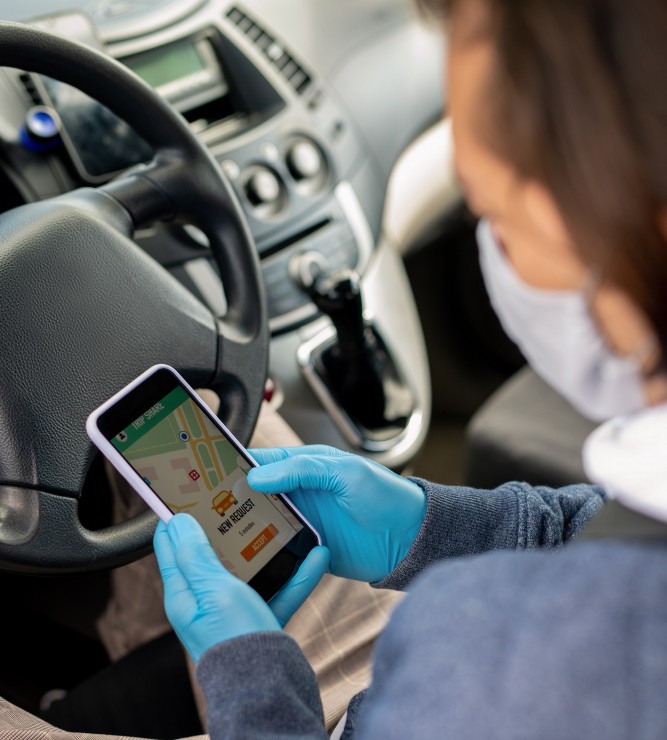
Mobile Applications for Roadside Assistance
- Customer-facing apps for service requests
- Driver and technician apps for real-time updates
- Integrated communication and tracking
Web-Based RSA Platforms
- Centralized dispatch and control systems
- Service tracking dashboards
- Workflow management interfaces
Customer Self-Service Portals
- Request assistance
- Track service status
- Access updates in real time
Enterprise Integration Frameworks
- Seamless integration with CRM, FSM, and internal systems
- Unified operational view across stakeholders
Built for Every RSA Ecosystem Player
Automobile Clubs
- Digital membership engagement
- Dispatch optimization
- Real-time service visibility
Insurance Providers
- Claims and roadside integration
- AI-driven triage
- Service lifecycle optimization
Roadside Assistance Providers
- Dispatch automation
- Vendor coordination
- Performance tracking
Extended Warranty Providers
- Partner network integration
- Workflow automation
- Customer journey tracking
Automotive OEMs
- Breakdown to service journey
- Connected car integrations
- After-sales experience enhancement
The AIMDek Edge

Built on Real RSA Experience
We have worked on real-world roadside assistance systems at scale.
Enhancement-First Approach
We enhance your existing systems without disrupting your operations.
Accelerated Implementation
Our ready solutions reduce time to value and speed up transformation.
Deep Operational and Technical Understanding
We understand both the complexity of RSA operations and the technology required to optimize them.
Operational Excellence Is Becoming the Benchmark in RSA
As leading providers move toward real-time, intelligent, and EV-ready operations, the gap between digital-first and manual systems is increasing.
The question is no longer if transformation is needed. It is how quickly you can get there.